
The Clash of Old and New South
A Streetcar Named DesireThe play explores the tension between the romanticized plantation culture of the DuBois family and the gritty, industrial, multicultural reality of post-war New Orleans.
increasing Bearing strength in each event
 decreasing
Bearing strength in each eventdecreasingBelle Reve as a Symbol
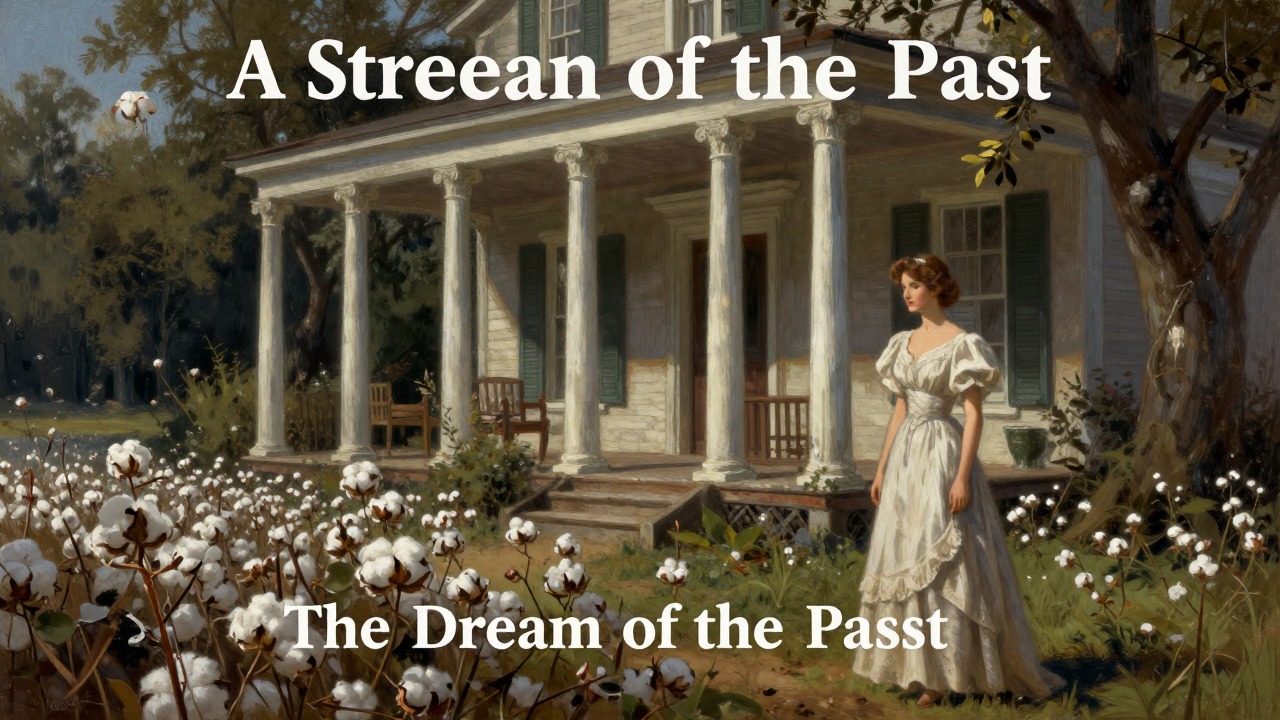
A Lost Paradise
The Dream of the Past
Belle Reve, the DuBois plantation, is a symbol of the old South: a world of white columns, cotton fields, and aristocratic leisure. But it is a world that is already dead. The estate has been lost through generations of profligacy and bad luck. Blanche's attachment to Belle Reve is sentimental; she cannot let go of the dream of a glorious past that never really existed.
The Reality of Decline
The play shows that the old South was built on a foundation of exploitation and decay. The plantation was lost not just to financial mismanagement but to the "epic fornications" of the DuBois men. The world of Belle Reve was never as beautiful as Blanche remembers it. The contrast between her memory and the reality of the French Quarter is a critique of the myth of the Southern aristocracy.
Stanley as the New American

The King of the Castle
A Self-Made Man
Stanley Kowalski is a representative of the new America: working-class, immigrant-stock, proud of his independence. He says, "I am a one hundred percent American, born and raised in the greatest country on earth." He rejects the pretensions of the old South. He is a man of action, not of words. His world is the factory, the bowling alley, the poker table.
The Triumph of the New
Stanley's victory over Blanche is the victory of the new order over the old. He destroys her illusions and asserts his own values. But the play is not a celebration of this victory. The new America, for all its energy, is also brutal and unforgiving. Stanley's triumph is a hollow one, achieved through violence and cruelty. The play asks whether the new world is any better than the one it replaced.
throughout the play, especially in scenes one and two
throughout the play, especially in scene eight
